Welcome to the Becker Group
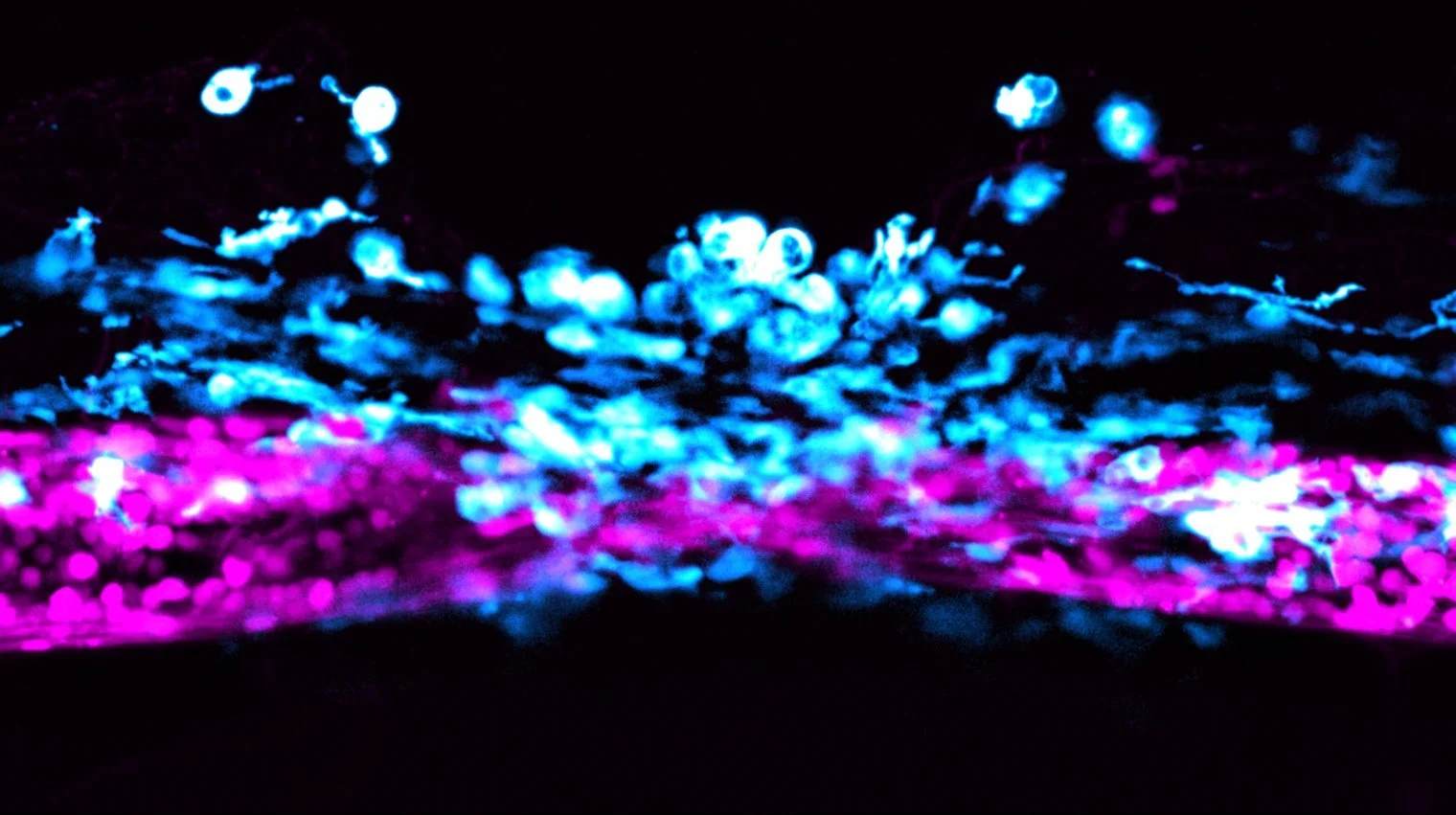
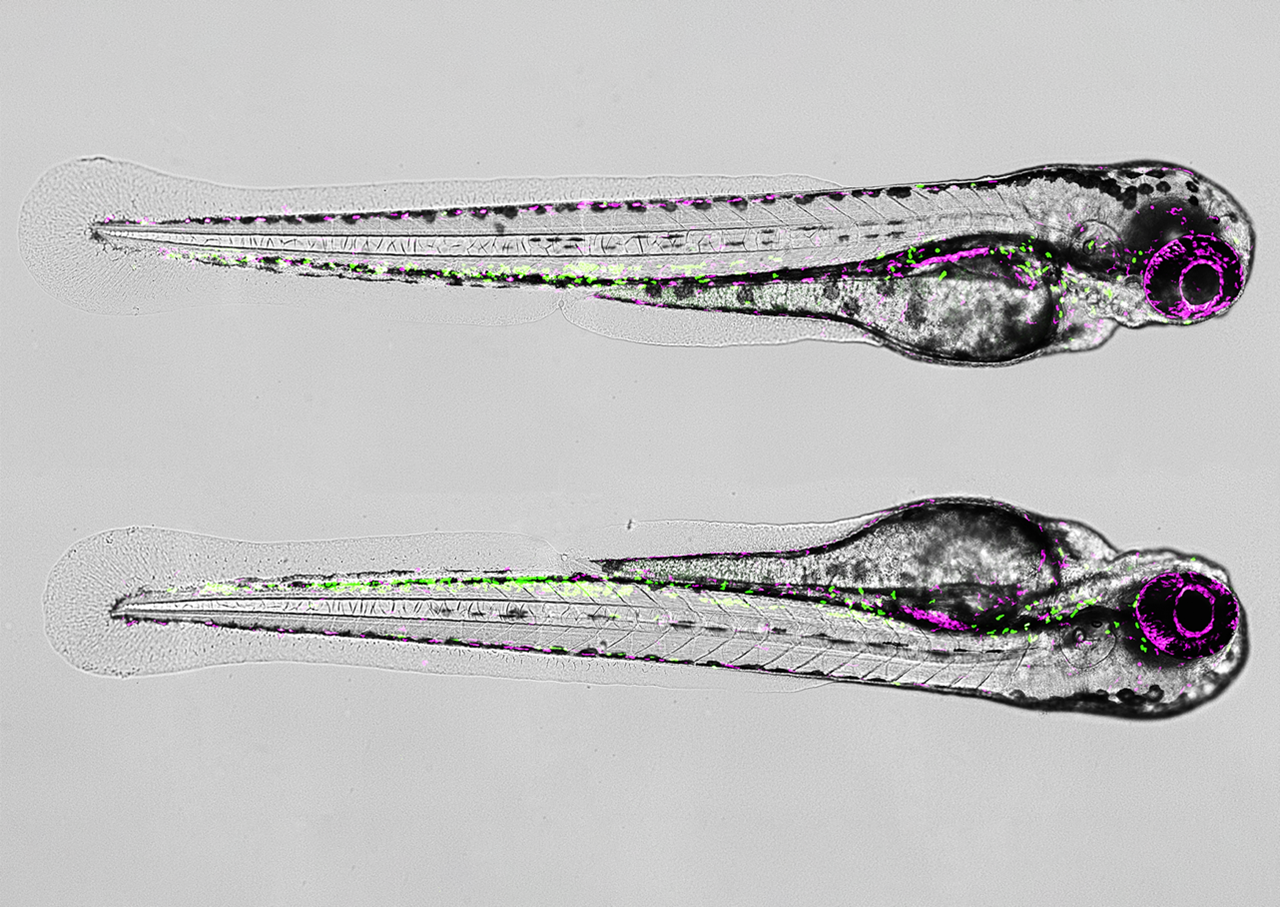
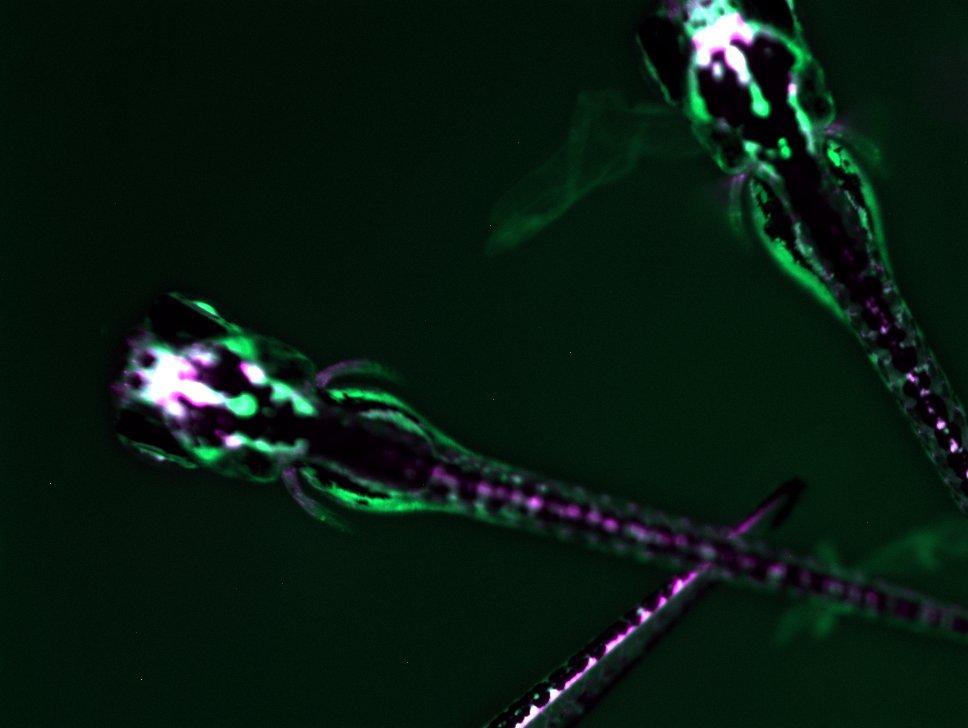
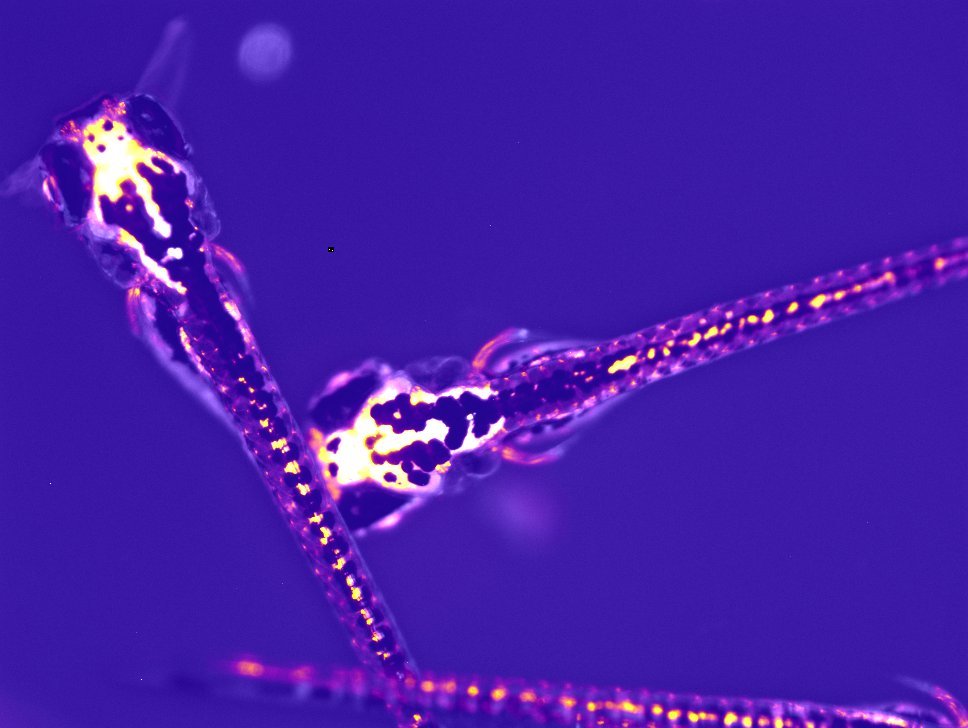
Our research contributes to a better understanding of the factors governing regenerative neurogenesis and axonal pathfinding in spinal cord regeneration. We are using the zebrafish model to identify fundamental mechanisms in vertebrates with clear translational implications for CNS injury and neurodegenerative diseases..
How to Repair the Spinal Cord?

Recent Lab News!
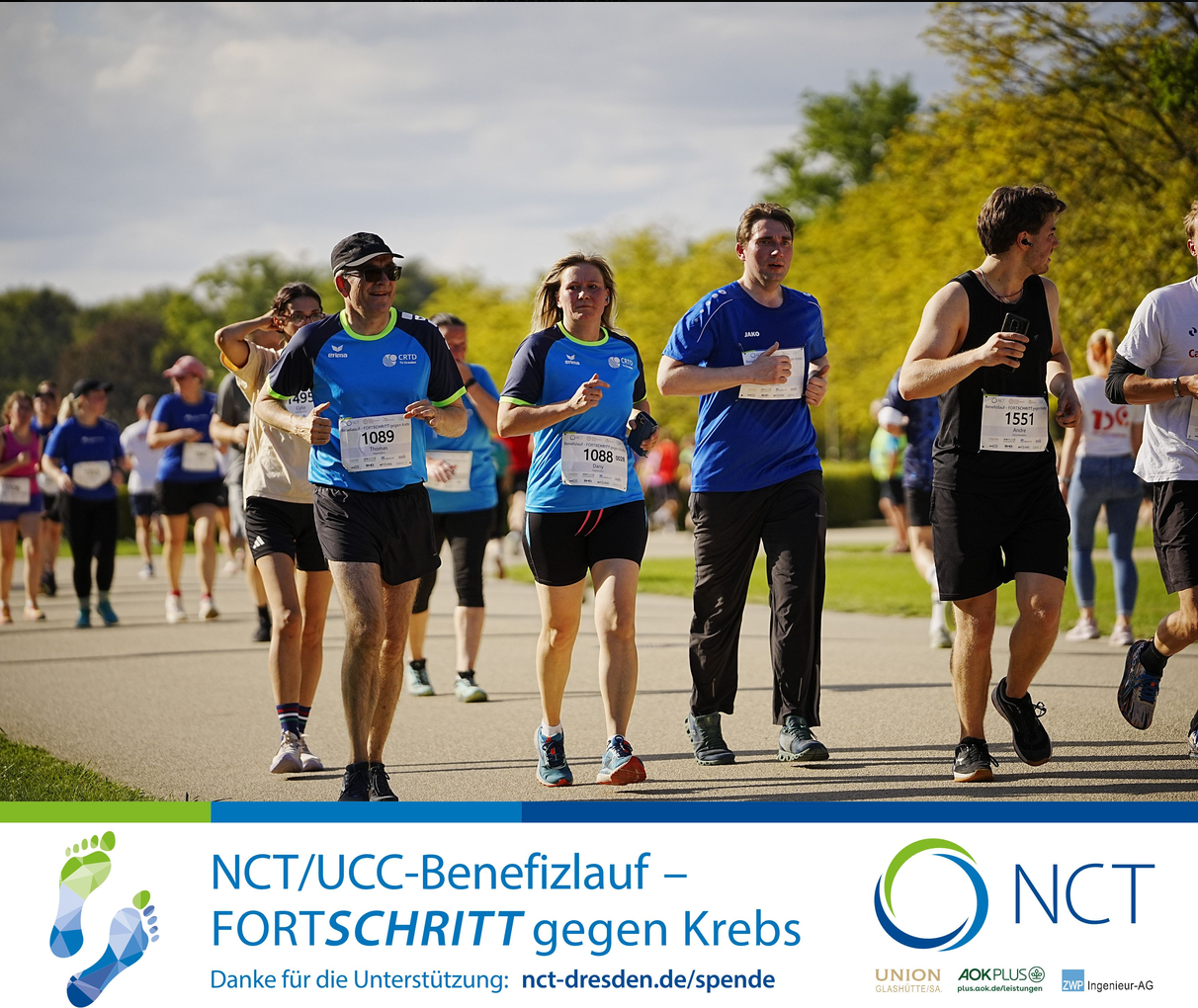
Thomas, Dany, Denise, and Markus represented the Becker Group at this year’s NCT/UCC Charity Run (NCT/UCC Benefizlauf - FortSCHRITT gegen Krebs). This year’s participants ran a combined distance of 12,052 kilometers, an event record! If you would like to support the program, the organizers continue to accept donations here.
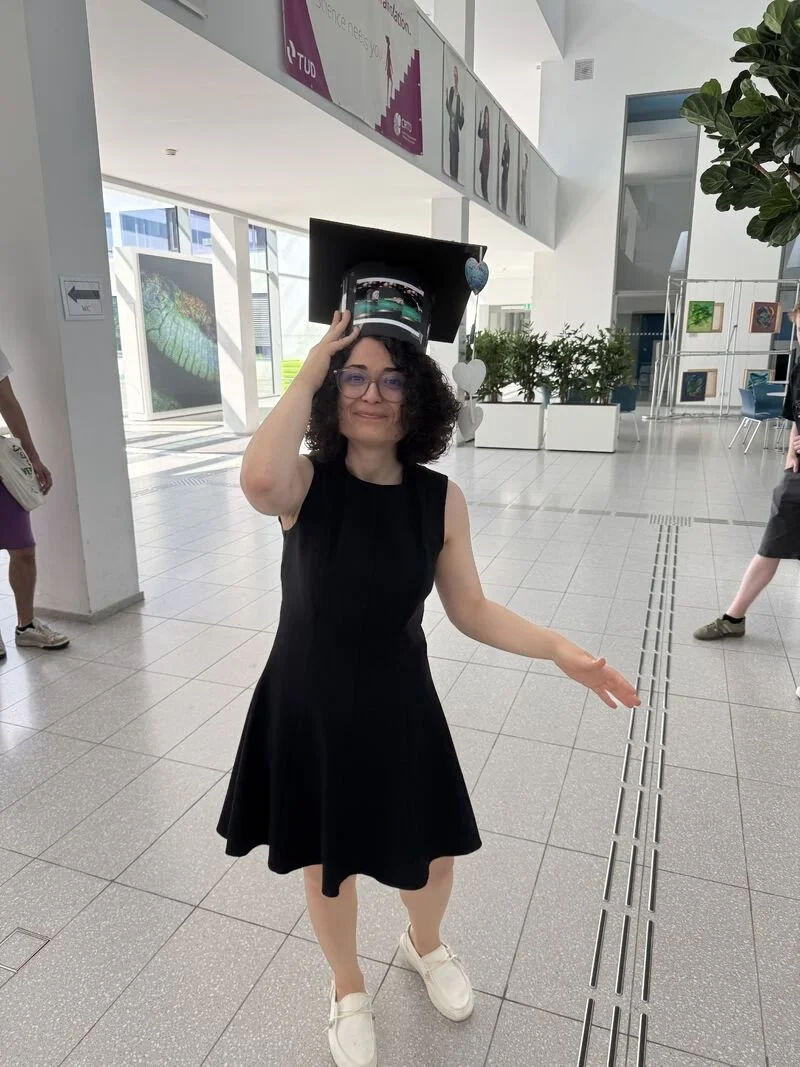
Özge successfully defended her Ph.D. thesis! She investigated the role of the matrix metalloproteinase Mmp14b in spinal cord repair. Özge did a great job presenting her findings and stood up to the insightful and intense questions from the external examiner Prof Leonor Saúde and the whole committee.
We are very proud: congratulations, Dr. Özge!
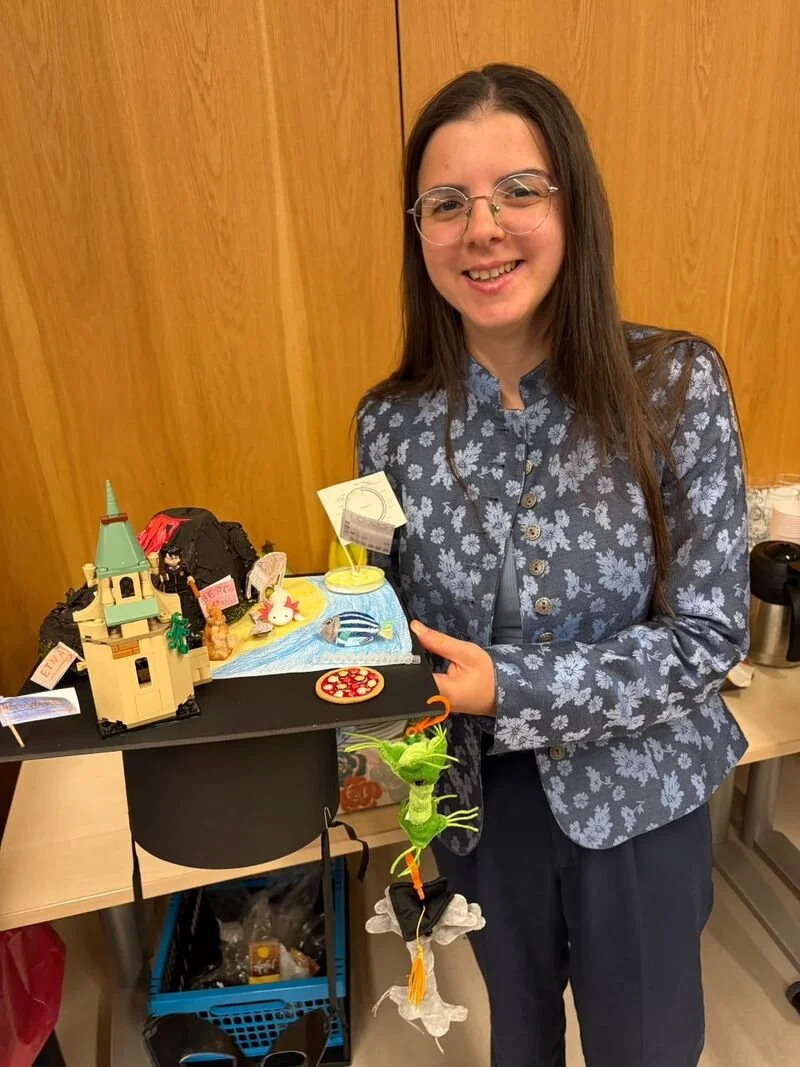
Luisa successfully defended her Ph.D. thesis! Luisa has been studying the role of a special cell state in the regenerating spinal cord of larval zebrafish (stay tuned for the preprint on bioRxiv to learn more!). She impressed her committee with the huge amount of data and rounded story.
Congratulations, Dr. Luisa! You make us very proud!
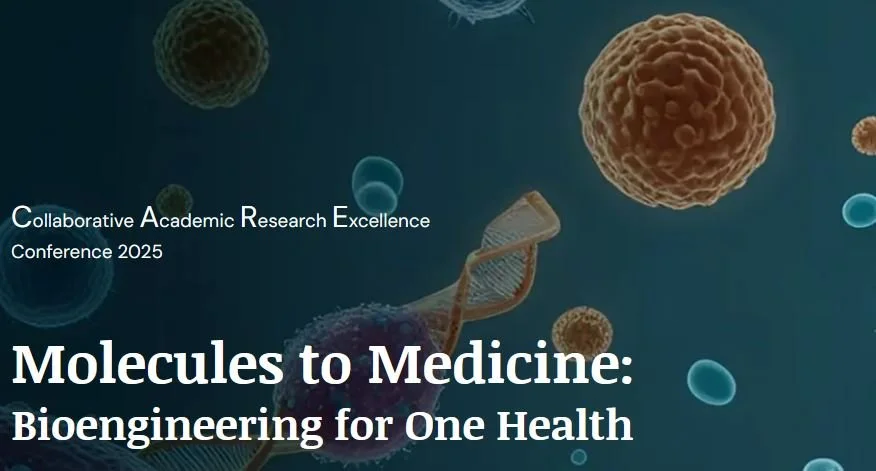
Catherina gave a plenary lecture on spinal cord regeneration in zebrafish at the Collaborative Academic Research Excellence (CARE) Conference 2025, organized by the Indian Institute of Technology in Madras! This year’s conference, “Molecules to Medicine: Bioengineering for One Health” focused on a range of biological scales, from structure to translation.
Stephen contributed a talk on the role of tissue mechanics in spinal cord regeneration to the Cell Physics 2025 conference hosted by Saarland University in Saarbrücken, Germany. The program included a wide range of topics in biophysics, from mechanobiology, to machine learning!
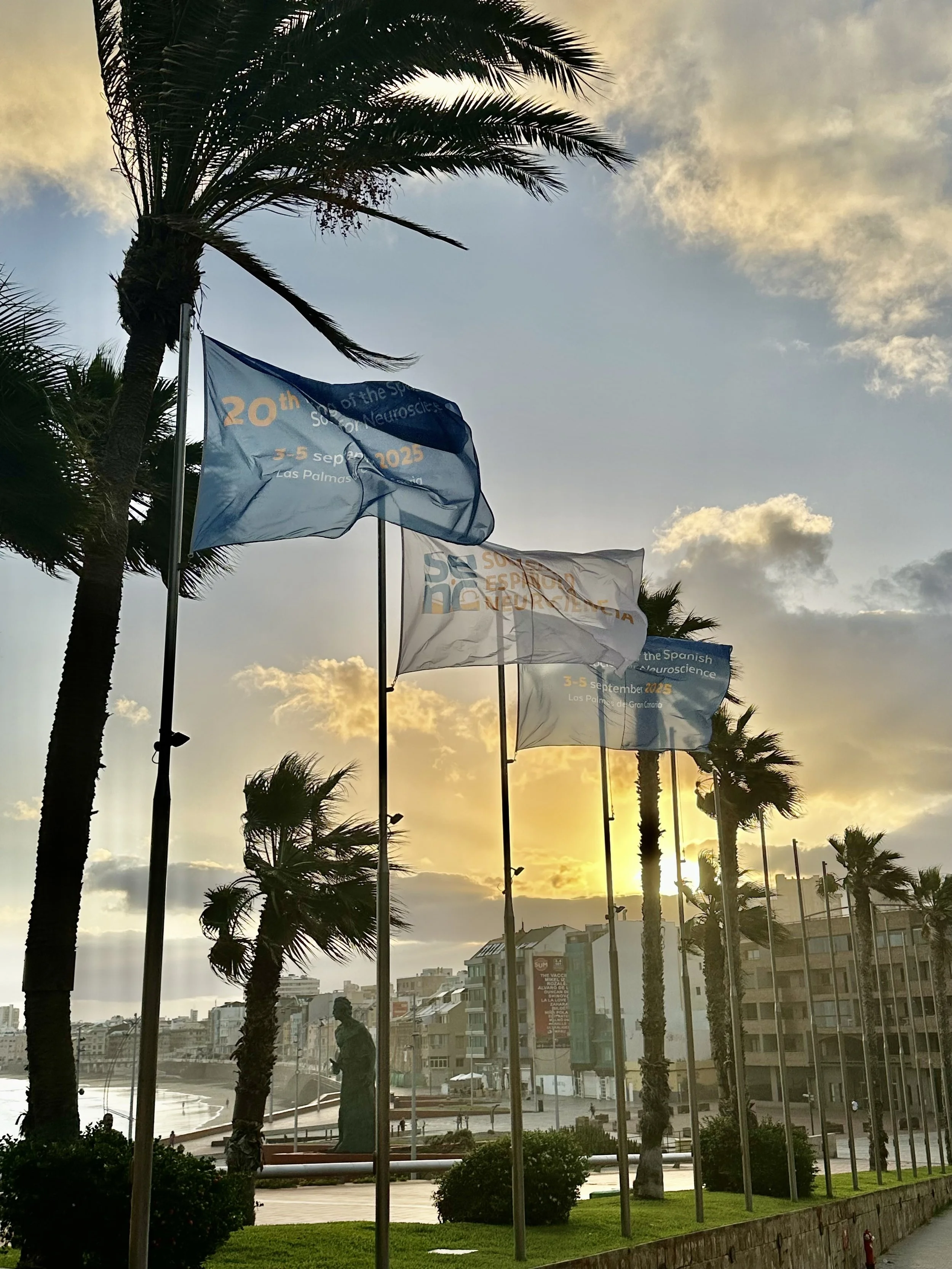
Alberto presented a poster on his work which focuses on the role of immune signaling on regenerative neurogenesis after spinal cord injury at the 20th National Congress of the Spanish Society of Neuroscience in Gran Canaria, Spain. The program covered a wide variety of topics, from developmental biology to regeneration.
Catherina was invited to give a talk on “Complex intercellular signaling regulates spinal cord repair in zebrafish” at Institut Curie in Paris!
On June 20th, we took visitors behind the scenes of zebrafish research at the Long Night of Science Dresden — and what a night it was! From 5 PM until midnight, the 3rd floor of the CRTD was buzzing with curious minds of all ages. Together with the Ninov group, we joined forces to highlight how zebrafish are driving cutting-edge research at the CRTD.
On March 13, 2025, leading experts gathered for an insightful webinar on stem cell-based approaches for spinal cord injury repair. Hosted by FENS CHET and SfN’s Neuroscience Training Committee, the event featured groundbreaking discussions on neurogenesis, stem cell secretomes, and engineered neural stem cells.
We are thrilled to share that the Women in Life Sciences Symposium 2025 was a great success! Hosted at the CRTD in Dresden by Prof. Mareike Albert and Prof. Franziska Knopf, the event brought together an inspiring community of female scientists for an afternoon of insightful discussions and networking.
We are delighted to share that Dr. Rachel Branch has successfully defended her PhD thesis! Rachel was the final PhD student from our lab at The University of Edinburgh, marking the end of an era.
New Publications and Preprints!
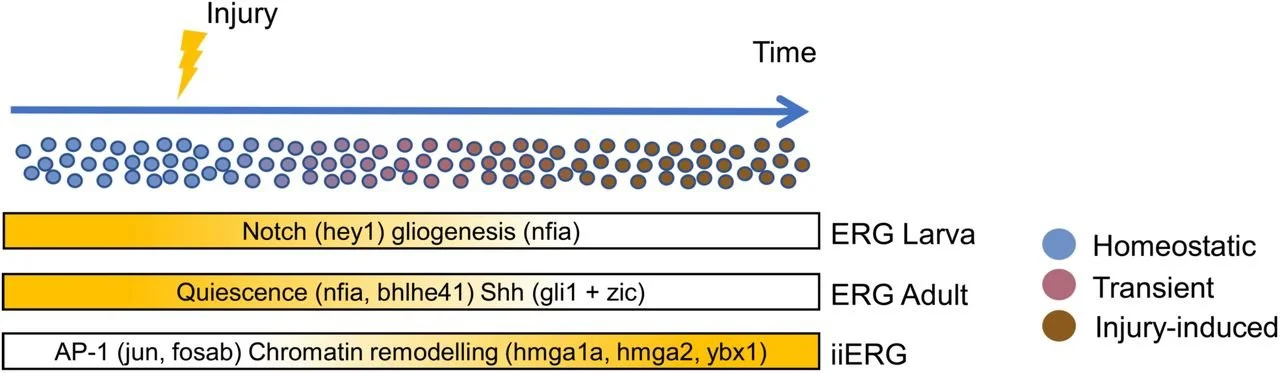
Ilyas’ new preprint, “Baseline regulatory programs in larval and adult neural progenitors converge towards an injury-induced state after spinal cord injury” is now live on biorXiv. The work is a collaboration with the research group of Anna Poetsch. Check it out here!
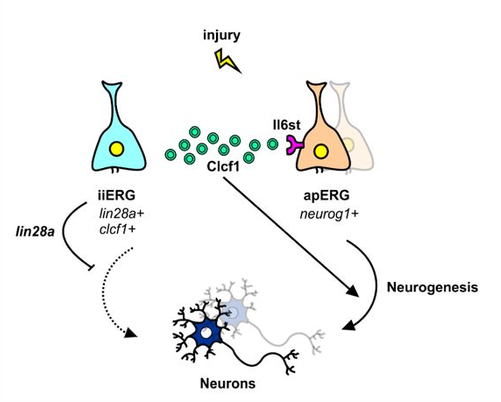
Markus’ new preprint, “Spinal injury induces a stem cell-like progenitor state that promotes regenerative neurogenesis via clcf1 in zebrafish” is now live on biorXiv. Check it out here!
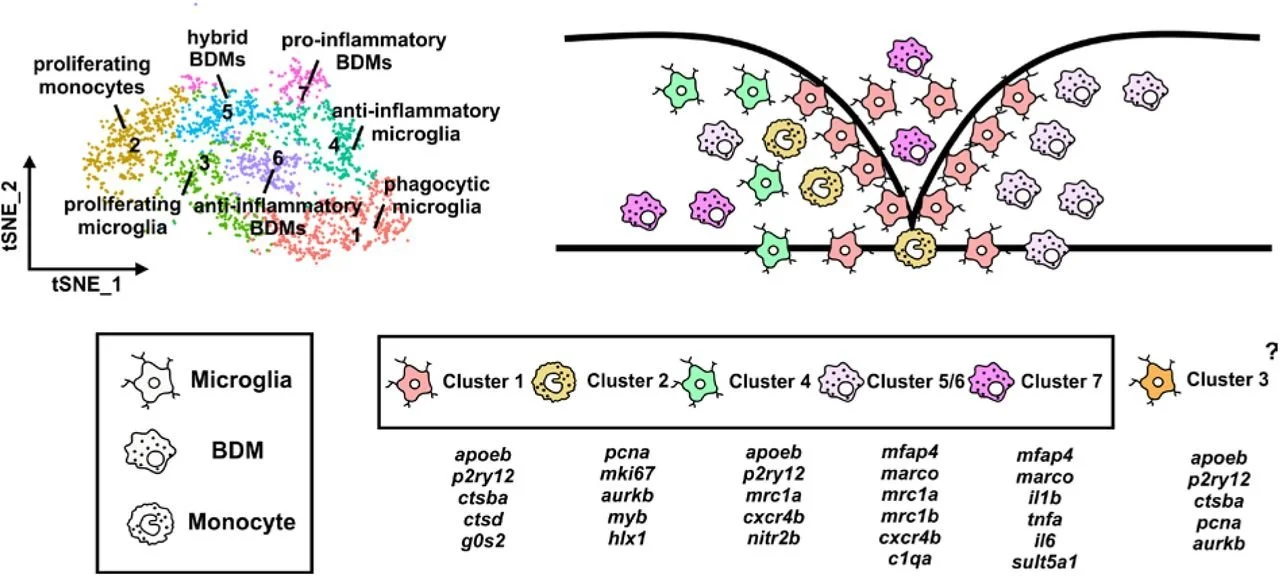
Kim and Alberto’s new preprint, “Diverse origins and transcriptional profiles of macrophages in a spinal lesion in zebrafish” is now live on bioRxiv! Check it out here!
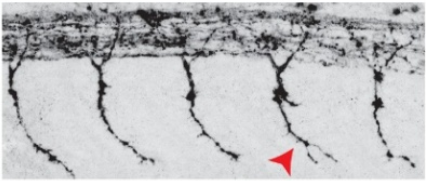
Sofiia and Ana-Maria’s new preprint, “Tachykinin neuropeptides are involved in axonal and synaptic differentiation of the pioneer motor axon in zebrafish” is now live on bioRxiv! Check it out here!
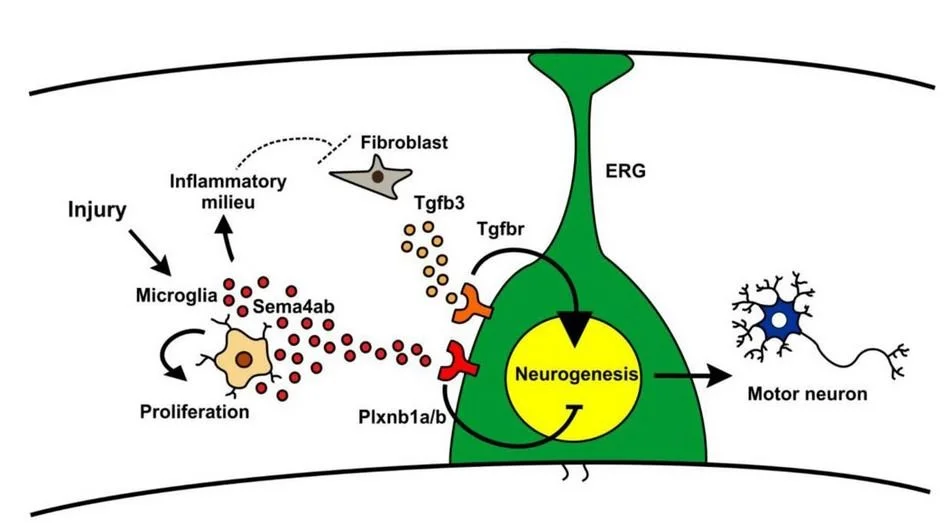
Alberto’s paper examining how the rate of production of newborn neurons is controlled by microglia after spinal cord injury was accepted at PLOS Biology! Microglia use sema4ab to signal to both neural stem cells and fibroblasts to rate-limit the number of new neurons which are born to replace those lost after injury. Check out the paper here! The CMCB press release with more details about the background of the study is here!
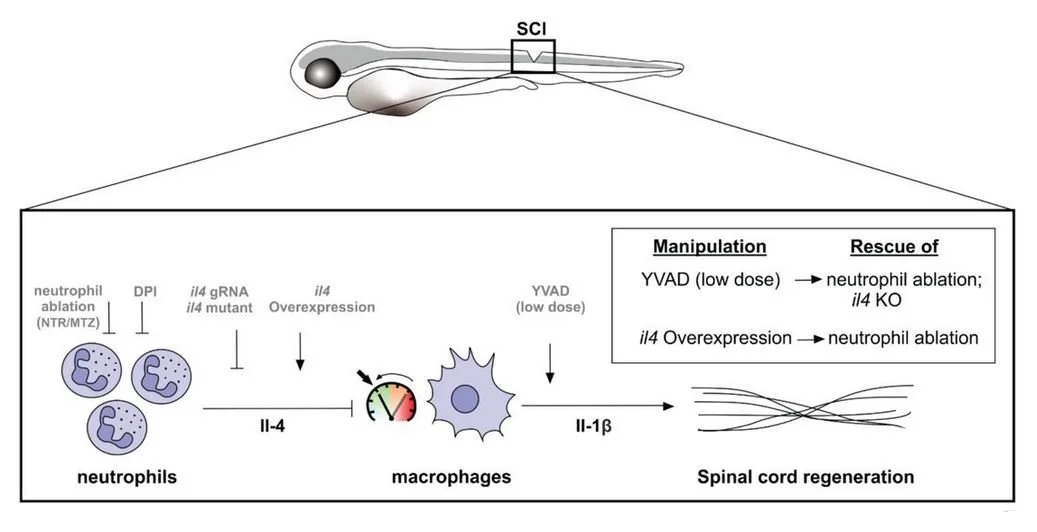
Xiaobo’s paper examining how neutrophils regulate the inflammatory response after spinal cord injury was accepted at the Journal of Neuroinflammation! Neutrophils use Il-4 to signal to other immune cells, such as macrophages, to down-tune the pro-inflammatory response to injury. Check out the paper here! The CMCB press release with more details about the background of the study is here!
Xiaobo’s new preprint, “A reparative neutrophil subpopulation promotes spinal cord regeneration in zebrafish by controlling macrophage inflammation via Il-4” is now live on bioRxiv! Check it out here!
Alberto’s new preprint, “Microglia attenuate regenerative neurogenesis via sema4ab after spinal cord injury in zebrafish” is now live on bioRxiv! Check it out here!
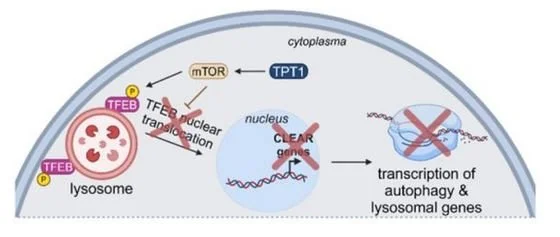
A new collaborative preprint contributed to by Ana-Maria and Sofiia, “Altered lysosomal biology impairs motor neuron survival via TFEB dysregulation in spinal muscular atrophy” is now live on bioRxiv! Check it out here!
Upcoming Lab Events!
Xiaobo is going to defend his Ph.D. thesis! His work studied how neutrophils regulate inflammation after spinal cord injury via Il4. Final date/time T.B.A.
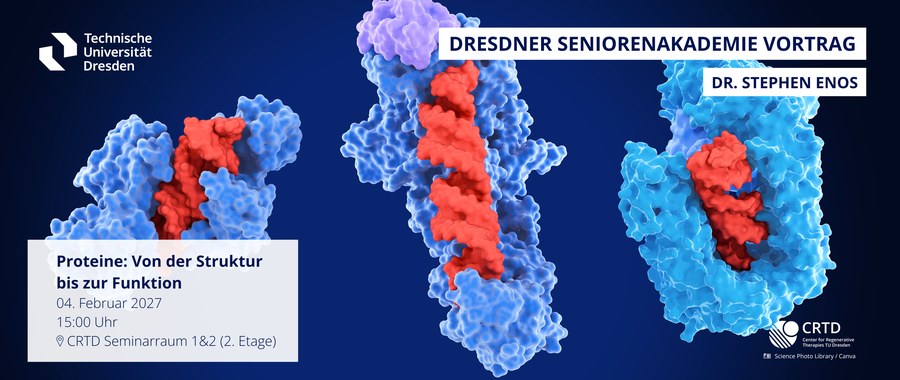
Stephen will give a lecture for the Dresden Senior’s Academy about how the structure of proteins informs their function. The Dresdner Seniorenakademie provides the opportunity for senior citizens to engage with cutting edge research and industry across Dresden. More information about the program can be found here.
Karnavi, our Master’s thesis student, was awarded a student-led research grant from the TU Dresden FOSTER - Funds for Student Research Program! Congratulations Karnavi!